




An Ending Built on Conflict and Consequence
Released in 2006, X-Men: The Last Stand arrives with the unenviable task of concluding one of the most influential superhero trilogies of its era. Directed with relentless energy, the film throws its audience directly into ideological warfare, asking a deceptively simple question: what does it mean to be different in a world that offers you a cure for who you are? This is not merely a battle of mutants versus humans, but a moral clash between acceptance and assimilation.

The Mutant Cure as a Moral Flashpoint
At the heart of the story is the so-called cure for mutation, a scientific breakthrough that threatens to erase the very identity of mutants. For Professor Charles Xavier, the cure represents a tragic misunderstanding of difference. For Magneto, it is nothing less than an act of war. The screenplay wisely frames this debate not as a background detail, but as the central engine driving every major conflict in the film.

This thematic focus gives the story weight, even when the narrative becomes crowded. The film is juggling multiple arcs, and not all of them receive equal care, but the ideological spine remains strong throughout.

Performances Anchored by Veteran Cast Members
Hugh Jackman and the Burden of Leadership
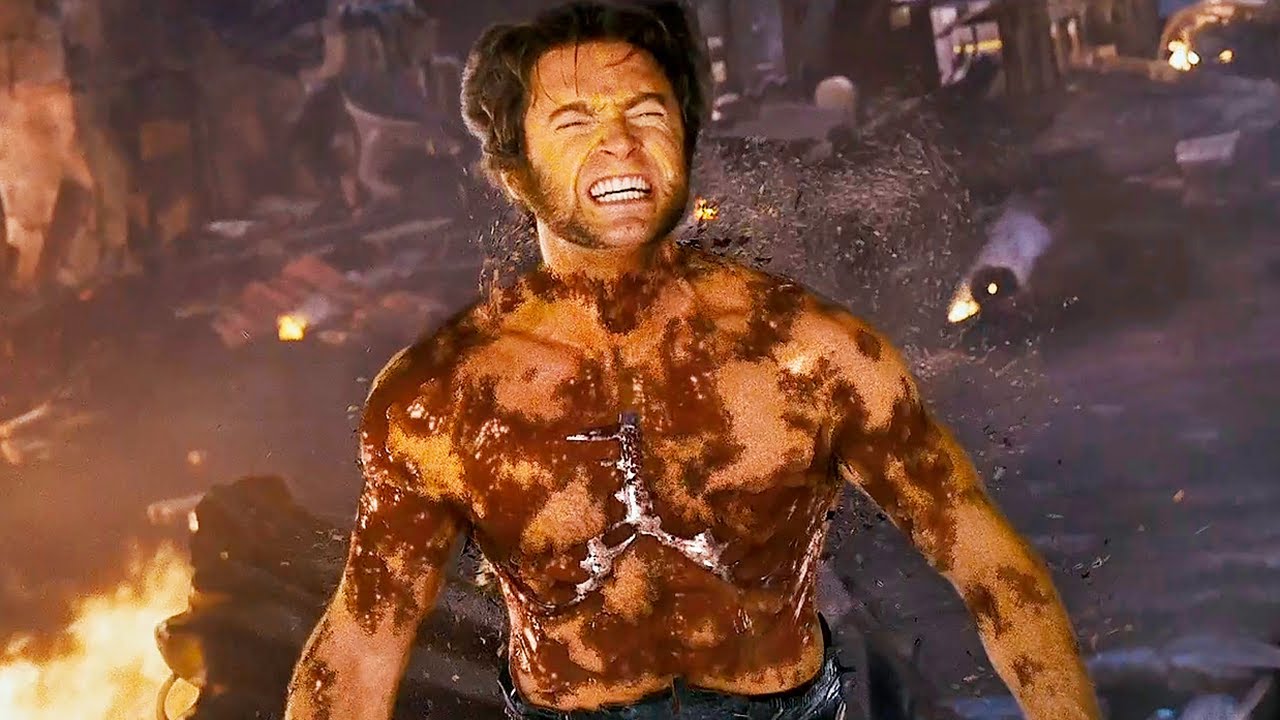
Hugh Jackman once again proves why Wolverine became the emotional anchor of the franchise. His performance balances physical ferocity with quiet vulnerability, especially as he grapples with the return of Jean Grey. Wolverine is no longer just the reluctant loner; he is a leader forced to make impossible choices.
Patrick Stewart and Ian McKellen: A Tragic Duality
The most compelling relationship in the film remains the philosophical duel between Professor X and Magneto. Patrick Stewart delivers a performance defined by calm moral certainty, while Ian McKellen infuses Magneto with righteous anger and sorrow. Their scenes together feel like echoes of old friendships fractured by irreconcilable beliefs, lending the film an emotional gravitas that rises above typical superhero spectacle.
The Phoenix Rises
Famke Janssen’s portrayal of Jean Grey as the Phoenix is both powerful and unsettling. The character becomes a living embodiment of unchecked power and emotional trauma. While the film may not fully explore the psychological depth of this transformation, Janssen brings a haunting presence that lingers long after her scenes end.
Action, Spectacle, and Scale
The action sequences in X-Men: The Last Stand are undeniably ambitious. The climactic battle on Alcatraz Island is staged with operatic scale, showcasing dozens of mutant abilities in rapid succession. From Magneto’s raw manipulation of metal to the chaotic surge of mutant combatants, the film delivers the kind of visual spectacle audiences expect from a blockbuster finale.
That said, the sheer volume of characters occasionally works against the film. Some mutants are introduced only to be quickly dispatched, serving more as visual punctuation than fully realized figures. The result is thrilling, but also slightly impersonal.
Themes of Sacrifice and Identity
What elevates the film beyond its flaws is its willingness to embrace loss. Unlike many superhero films that reset the board by the final act, this story allows consequences to stand. Characters make sacrifices that cannot be undone, reinforcing the idea that power comes with irreversible costs.
The notion of choice is equally important. The cure is not forced upon mutants, but its existence alone creates pressure, fear, and division. The film understands that offering a choice can sometimes be as coercive as removing one.
Strengths and Weaknesses at a Glance
- Strengths: Strong central themes, commanding performances, large-scale action.
- Weaknesses: Overcrowded narrative, underdeveloped supporting characters.
- Best Element: The ideological conflict between Professor X and Magneto.
- Missed Opportunity: A deeper exploration of the Phoenix storyline.
Final Verdict
X-Men: The Last Stand is not a perfect film, nor is it the most elegant entry in the trilogy. It is, however, a bold and emotionally charged attempt to bring long-running themes to a decisive close. Its ambition occasionally outpaces its execution, but the questions it raises about identity, fear, and acceptance remain resonant.
Viewed today, the film stands as a reminder that superhero stories can grapple with real-world anxieties, even when wrapped in explosive spectacle. As a finale, it may divide fans, but it undeniably leaves a mark, concluding the original X-Men saga with tragedy, courage, and a refusal to offer easy answers.