





A Franchise That Refuses to Stand Down
Action franchises tend to burn out long before they grow reflective, but The Expendables 5: Back for War leans into its age with a surprising sense of self-awareness. This is not merely another parade of gunfire and bravado; it is a film about men who know exactly what violence costs and continue anyway. In that tension lies the film’s bruised, beating heart.

Sylvester Stallone’s Barney Ross: A Weathered Center
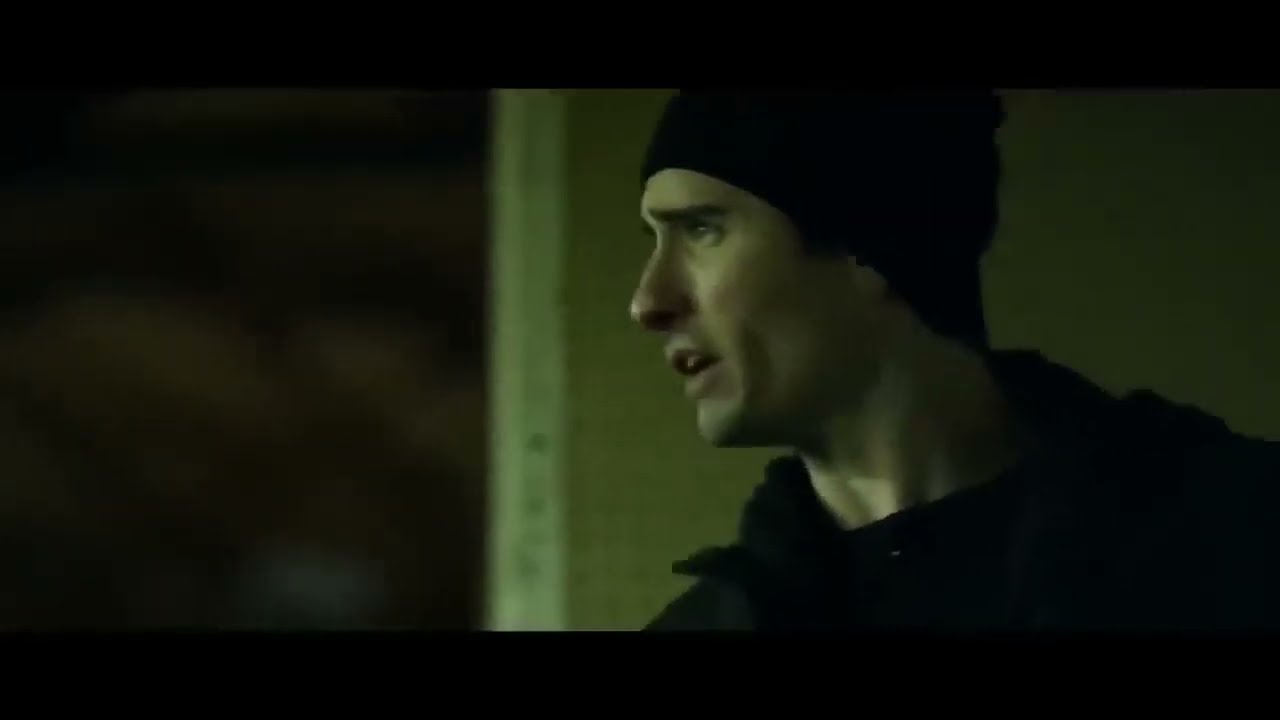
Sylvester Stallone returns as Barney Ross with a performance shaped less by muscle than by memory. His face carries the ledger of previous films, every line a quiet callback to fallen comrades and unfinished business. Stallone plays Ross not as an invincible icon, but as a man negotiating with time, regret, and loyalty. The result is a character who feels earned rather than imposed.
The Weight of Leadership
Barney Ross is no longer defined solely by command. He is defined by responsibility. The film repeatedly frames him alone before battles, lingering on the silence that precedes chaos. These moments work because they acknowledge that leadership, especially in war, is as much about loss as it is about victory.

Action as Language, Not Noise
The explosions in Back for War arrive with the expected ferocity, but the film understands that excess without rhythm is just static. Director and editors choreograph the violence with clarity, allowing geography and consequence to matter. Gunfire has direction, impacts have weight, and destruction feels purposeful rather than ornamental.
Set Pieces That Serve Character
- Nighttime assaults that mirror Barney’s internal conflict
- Close-quarters combat emphasizing endurance over flash
- Large-scale explosions used sparingly to punctuate turning points
These sequences succeed because they advance character and theme, not just spectacle.
Brotherhood as the True Franchise Engine
The Expendables series has always sold itself on star power, but its emotional currency is brotherhood. Back for War foregrounds this more clearly than previous entries. Conversations between teammates carry an unspoken understanding: each mission may be the last. The film allows these exchanges to breathe, resisting the urge to drown them in jokes.
Loyalty Over Glory
There is an almost old-fashioned sincerity in how the film treats loyalty. These men fight not for medals or headlines, but because they believe standing together still means something. In a genre often obsessed with escalation, this restraint feels refreshing.
Thematic Undercurrents: Aging, Purpose, and Consequence
What elevates The Expendables 5 is its willingness to ask uncomfortable questions. How long can one live by the gun before it defines everything else? What does heroism look like when the body slows but the will does not? The film never answers these questions cleanly, and that ambiguity gives it unexpected depth.
War as Memory
War here is not presented as an event, but as a condition. It lingers in glances, in pauses between lines, and in the way characters handle their weapons with ritual familiarity. This approach grants the film a reflective tone rarely seen in modern action cinema.
Technical Craft and Atmosphere
The cinematography favors gritty textures over glossy excess. Smoke, shadow, and muted colors dominate the frame, reinforcing the sense of a world permanently scorched by conflict. The sound design, heavy with echoes and distant thunder, turns each battlefield into a living presence.
Music That Knows When to Step Back
The score avoids constant bombast, instead rising during emotional peaks and receding during moments of introspection. This restraint helps maintain the film’s grounded tone.
Final Verdict
The Expendables 5: Back for War will satisfy audiences seeking raw, unapologetic action, but it also offers something rarer: an action film unafraid of its own mortality. It recognizes that legends age, bodies fail, and battles leave marks that never fade. In doing so, it finds dignity in defiance and meaning in persistence.
This is not the loudest chapter in the franchise, nor the most outrageous. It may, however, be the most honest. And in a genre that often mistakes volume for value, honesty can be its own kind of explosion.