


Overview
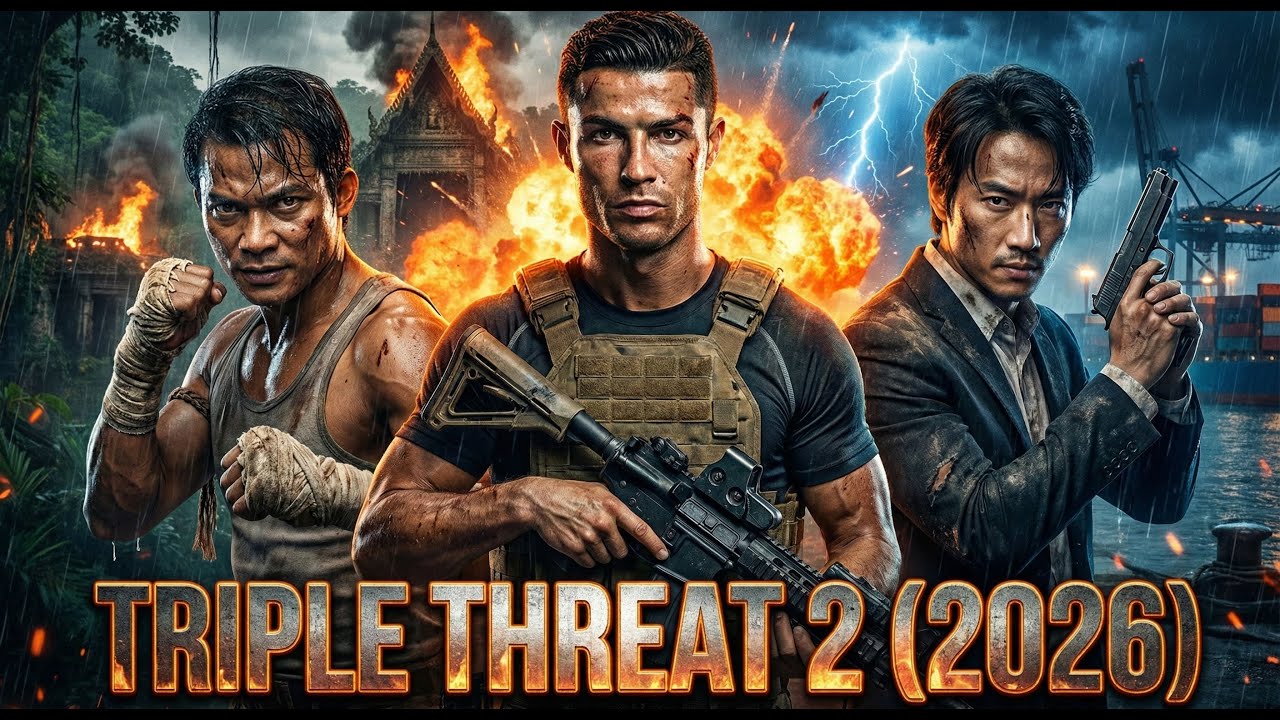
Triple Threat 2 escalates everything the original promised. It delivers bone-crunching, high-velocity martial arts action wrapped in a straightforward but propulsive narrative about loyalty, vengeance, and survival. What distinguishes this sequel is not merely the volume of action, but the clarity of movement and the almost balletic precision of its choreography. It understands why audiences come: to witness elite fighters collide with purpose and style.

Plot Summary
Set against the shadowy world of global criminal syndicates, three elite warriors confront a web of mercenaries convinced of their own invincibility. The mission is simple in its outline yet perilous in execution. Betrayal ripples beneath every alliance, and each confrontation raises the stakes. The film moves briskly from one battleground to another, using geography not just as a backdrop but as an active participant in the fights.

Performances
Tony Jaa
Tony Jaa returns with the grace of a dancer and the ferocity of a storm. His movements combine acrobatics, parkour, and weapon work with a tactile sense of impact. The screen seems to tighten around him when he fights, as if space itself is aware of his presence. His performance is physical storytelling: each strike has intent, each leap a logic of its own.

Scott Adkins
Scott Adkins exudes controlled menace and technical precision. His style contrasts with Jaa’s kinetic explosiveness: colder, more methodical, almost surgical. Together they form an action dialectic, one based on rhythm and counter-rhythm. Adkins also brings a weary humanity to the role, suggesting a fighter who understands both the cost and the necessity of violence.
Cristiano Ronaldo
Cristiano Ronaldo’s casting is unexpected and, in its way, audacious. He embraces the role with athletic credibility, leaning into physicality and presence rather than theatrical excess. His action beats are grounded in agility and balance, translating familiar athletic discipline into cinematic combat. He does not overshadow the martial arts veterans but complements them, providing a unique screen energy.
Action Choreography and Direction
The film’s central achievement lies in its action design. The choreography is cleanly framed and largely free of visual clutter. Long takes allow audiences to appreciate technique, while close-quarters combat conveys intimacy and danger. There is cinematic brutality here, but it is never gratuitous; it is purposeful, a language of survival.
The direction understands that clarity is the soul of action cinema. Instead of frantic cutting, it relies on perspective, geography, and coherent momentum. Each set piece escalates tension rather than merely repeating it, culminating in a finale that feels earned rather than simply louder.
Cinematography and Sound
Lighting accentuates motion, carving fighters out of shadow and neon. Urban environments feel alive, reflecting the moral darkness of the world these characters inhabit. The sound design amplifies impact without resorting to bombast. Punches thud, blades whisper, and silence is used as effectively as noise. The score underlines emotion while allowing the action to speak for itself.
What Works
- Exceptional martial arts choreography that showcases performer skill
- Clear, readable action sequences without excessive editing
- Strong screen presence from all three leads
- Visual style that enhances mood and movement
- Relentless pacing that sustains tension
What Could Be Better
- The narrative remains secondary to the action, offering limited thematic depth
- Some secondary characters feel underdeveloped
- The emotional stakes could have been explored more fully
Themes
Beneath the spectacle lies a story about loyalty under pressure and the ethics of violence. The film asks, without sermonizing, what it means to stand against systems designed to crush individuals. Its characters are not superheroes; they are highly skilled, deeply scarred people making impossible choices in morally compromised spaces.
Final Verdict
Triple Threat 2 is not merely a sequel; it is a statement of intent. It delivers exactly what its audience seeks while refining the craft of modern action filmmaking. For fans of Tony Jaa and Scott Adkins, it is a showcase. For newcomers, it is an invitation into a world where movement tells the story. It may not aspire to philosophical complexity, but within its domain it is precise, disciplined, and often exhilarating. No mercy, indeed — only mastery.